7 Lifestyle Changes That Can Reduce Pressure on Your Leg Veins
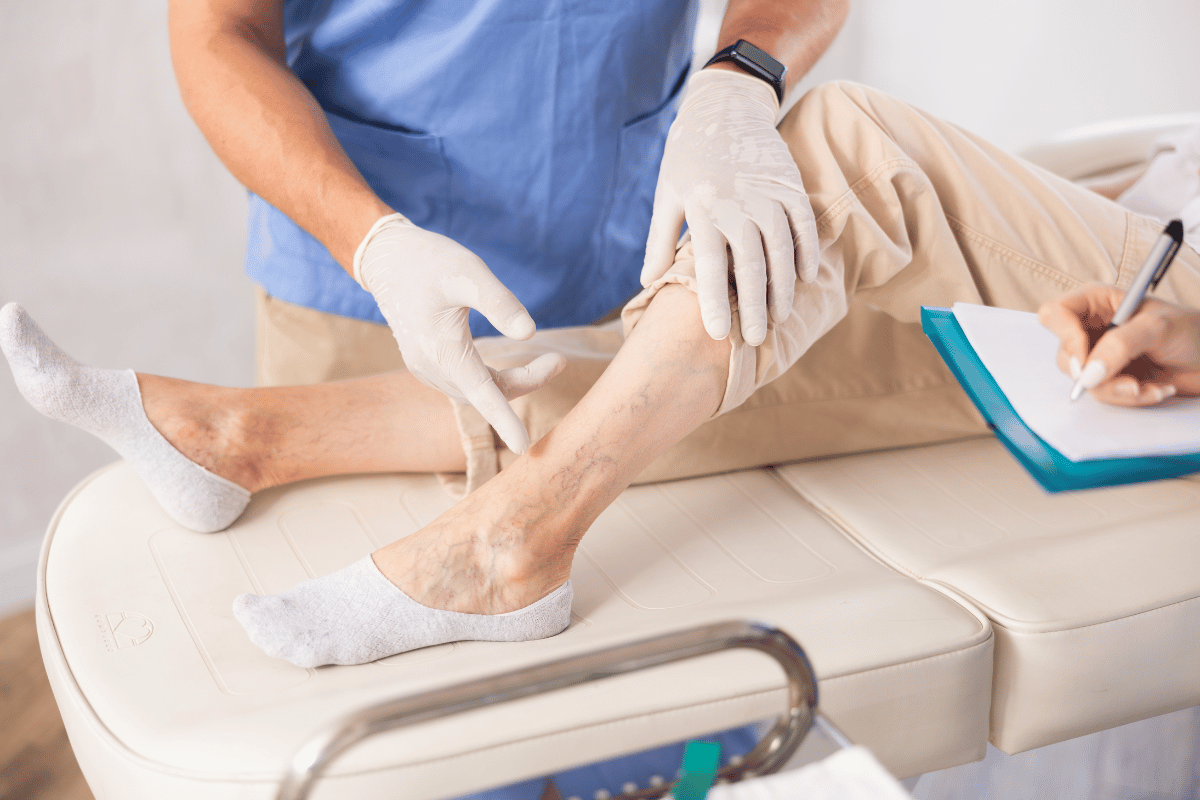
If your legs often feel heavy, tired, swollen, or achy, your veins may be working harder than they should. Your daily habits can play an important role in supporting healthy blood flow, especially if you spend long hours sitting or standing. Making simple lifestyle changes for better vein health can help reduce pressure on your leg veins and support better circulation over time.
At El Paso Varicose Veins Laser Clinic, we understand that leg discomfort can interfere with work, family time, and everyday activities. While healthy habits can help manage symptoms and support vein health, they may not correct existing vein problems on their own.
If you have noticed bulging veins, persistent swelling, or ongoing leg discomfort, we encourage you to learn more about your options. Call us at (915) 577-0121 or visit our website to learn about our vein care services.
Why Everyday Habits Matter for Vein Health
Your veins carry blood from your legs back toward your heart. Because blood must travel upward against gravity, the veins in your legs rely on one-way valves and surrounding muscles to help keep blood moving in the right direction.
When these valves become weak or damaged, blood can collect in the legs. This may increase pressure inside the veins and contribute to varicose veins, swelling, aching, and a feeling of heaviness.
Although some risk factors, such as age and family history, cannot be changed, daily habits can make a difference. Here are seven practical changes that may help you support your leg veins.
1. Walk More Throughout the Day
Walking is one of the simplest ways to support healthy circulation. When you walk, your calf muscles contract and help push blood through your veins and back toward your heart. This is sometimes called the calf muscle pump.
You do not need to start with long or intense workouts. Small amounts of movement throughout the day can be a helpful starting point
Try these simple habits:
- Take a 10- to 15-minute walk during your lunch break or after dinner.
- Park a little farther away when running errands.
- Take short walking breaks if you sit at a desk for several hours.
Aim for regular movement that fits your current fitness level. If you have pain or other health concerns that limit activity, ask your healthcare provider which exercises are appropriate for you.
2. Avoid Sitting or Standing Too Long
Long periods in one position can make it harder for blood to move efficiently through your legs. This is especially important for people whose jobs require them to sit at a desk, drive for hours, or stand in one place.
One of the easiest ways to help is to change positions regularly. If you work at a desk, stand up and walk around every 30 to 60 minutes when possible. If you stand for work, take opportunities to sit, move your ankles, and shift your weight.
When you cannot get up, try gently moving your feet up and down or making small ankle circles. These movements engage your lower-leg muscles without requiring much space.
If your legs frequently feel swollen or uncomfortable after a long day, pay attention to when the symptoms occur. Keeping track of these patterns can help you discuss your concerns with a vein specialist.
3. Maintain a Healthy Weight
Carrying excess weight can place additional strain on your lower body and may increase pressure in the veins. For some people, this can contribute to swelling and other symptoms associated with chronic venous insufficiency.
Maintaining a weight that is healthy for you may help reduce some of this strain. The goal is not to follow a strict diet or make sudden changes. Instead, focus on consistent, realistic habits that support your overall health.
Choose balanced meals with vegetables, fruits, whole grains, lean proteins, and other nutrient-rich foods. Combine these choices with regular physical activity and adequate sleep.
It is also important to remember that varicose veins can develop in people of every body size. Weight is only one possible factor, and vein problems are not always preventable through lifestyle changes alone.
4. Elevate Your Legs When Resting
If your legs feel heavy or swollen at the end of the day, elevating them may provide relief. Raising your legs above the level of your heart, when comfortable and practical, helps gravity move blood back toward your upper body.
You can try this while relaxing on the couch or lying in bed. Place pillows under your lower legs so they are supported without putting uncomfortable pressure behind your knees.
Start with about 15 minutes and see whether it helps your symptoms. You may find it especially useful after a long day of standing, traveling, or working on your feet.
Leg elevation can help ease symptoms, but it does not repair damaged vein valves. If swelling keeps returning or does not improve, it is worth discussing the cause with a healthcare professional.
5. Choose Foods That Support Circulation
What you eat can support your overall cardiovascular health and help you maintain healthy blood vessels. A balanced diet that includes enough fiber, vitamins, minerals, and fluids is a practical part of caring for your veins.
Fiber-rich foods can also help prevent constipation. Straining during bowel movements may increase pressure in the veins, so getting enough fiber and drinking water can be helpful.
For everyday meals, consider these options:
- Fruits and vegetables: Provide vitamins, minerals, and antioxidants that support overall health.
- Whole grains: Foods such as oats, brown rice, and whole-wheat bread provide fiber.
- Lean proteins: Fish, chicken, beans, and lentils help support healthy muscles.
- Water: Staying hydrated supports normal body function throughout the day.
You do not need a special diet to care for your veins. Focus on balanced meals and consistent habits instead of relying on supplements or products that promise to improve circulation quickly.
If you are exploring how to improve circulation in your legs naturally, remember that nutrition works best as part of a broader approach that includes movement, healthy routines, and appropriate medical care.
6. Consider Compression Stockings
Compression stockings apply gentle pressure to the legs, helping support blood flow toward the heart. They may help reduce swelling, aching, and feelings of heaviness in people with certain vein conditions.
However, compression stockings are not the right choice for everyone. The proper level of compression depends on your symptoms, health history, and circulation. People with certain arterial circulation problems may need to avoid them or receive medical guidance before using them.
If your legs regularly swell or feel uncomfortable, ask a healthcare professional whether compression stockings may be appropriate for you.
At El Paso Varicose Veins Laser Clinic, we encourage patients to understand the cause of their symptoms rather than simply trying to cover them up. If you are concerned about your veins, call (915) 577-0121 to learn more about our clinic and available care options.
7. Avoid Smoking and Build Healthier Daily Habits
Smoking harms blood vessels and increases the risk of several cardiovascular problems. Quitting smoking is an important step toward better overall vascular health.
Other everyday habits can also support your legs. Try to get enough sleep, stay active, and avoid spending your entire evening sitting in one position after a long workday
You can also make a few small changes to your routine:
- Set reminders to stand up and move during long periods of sitting.
- Keep water nearby throughout the day.
- Take short walks instead of remaining seated during every break.
- Make time to elevate your legs when they feel tired or swollen.
These ways to reduce pressure on leg veins can help you build a routine that supports your overall well-being. The key is consistency rather than trying to change everything at once.
It is also important to recognize that smoking cessation and other healthy habits cannot guarantee that varicose veins will be prevented. Genetics, age, pregnancy, and existing vein valve problems can all influence your risk.
When Should You Seek Professional Vein Care?
Healthy habits are valuable, but they are not a substitute for an evaluation when symptoms continue. If you notice veins becoming more visible, swelling that keeps returning, skin discoloration near your ankles, or persistent aching, consider speaking with a vein specialist.
A healthcare professional can assess your symptoms and determine whether an underlying vein condition may be responsible. Depending on your situation, treatment may involve conservative measures or a procedure designed to address the affected veins.
Seek urgent medical attention if you develop sudden swelling in one leg, unexplained leg pain, warmth, or redness, as these may be signs of a blood clot. If these symptoms occur with chest pain or shortness of breath, call 911.
Do not assume that every vein concern can be resolved through exercise or compression alone. Getting the right evaluation can help you understand what is happening and which options may be suitable for you.
Take the Next Step Toward Healthier Legs
Making small changes to your daily routine can support circulation and help manage some of the discomfort associated with vein problems. Walking regularly, taking movement breaks, maintaining a healthy weight, elevating your legs, eating balanced meals, considering appropriate compression, and avoiding smoking are all practical steps to consider.
Still, if you already have symptoms, you do not have to rely on lifestyle changes alone. At El Paso Varicose Veins Laser Clinic, we help people learn about their vein concerns and explore appropriate care options.
If you are looking for help with varicose veins in El Paso, contact our clinic at (915) 577-0121 to learn more. Taking the time to understand your symptoms is an important first step toward finding the care that fits your needs.